AI roleplay & TRPG games: why Silly Tavern works as a “GM shell”
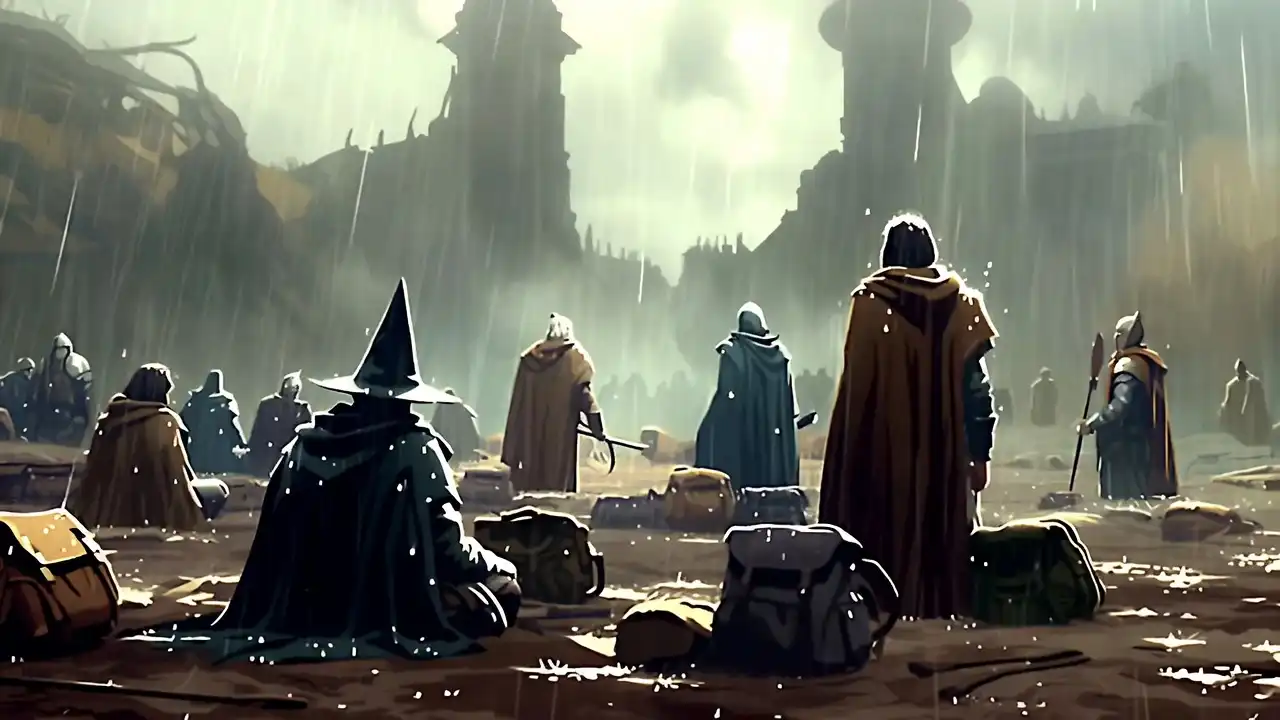
People searching for recommended AI roleplay tools often want something other than a flirty chatbot: a game master that picks up hooks, pushes plot, and keeps voices consistent. The short fiction below is only rhythm—but if it resonates, Silly Tavern may be your kind of front-end.
You
“We don’t enter the shrine until the rain stops. Rope, torches—who’s still bleeding?”
GM tone
Moss on the flagstones grips your boots wrong. In the drip from the trees, a metallic whisper—thumb on a guard. The faded cord on the shrine’s ring was loose yesterday; now it’s pulled to a dead knot.
Tend the bleeding party first, or hunt the sound?
Online gripes stack up: ChatGPT reads like a manual; Gemini like slide narration; Character.AI-style walls split “GM” from “world.” Long-campaign folks drift toward a client + your own models. Silly Tavern gets named a lot: no bundled LLM, but a full tabletop for AI roleplay.
What this play style is tired of
Common threads (not a personality test):
- With light prompting, you want the model to hold your PC, NPC cast, map beats, and plot nodes—and move scenes forward, not wait for line-by-line feeding.
- Many apps lock “character” to their rails—swap model or voice and you’re stuck.
- Big web UIs swing in quality; some swear by Claude, others hit region/terms walls; OpenRouter lets you rotate backends on the same prompts.
The fix is rarely “one more trendy model name”—it’s a portable frame. Silly Tavern is that layer.
What ST catches: needs vs modules
| Pain | Typical ST answer |
|---|---|
| Lore evaporates mid-chat | World Info / Lorebook injects setting on triggers; multi-book workflows for long campaigns. |
| You want an “adventure shell,” not romance skin | Character cards as modules: opening message, scene brief, GM voice—narrative-first is fine. |
| Voice feels like a report | Presets / instruct tune POV, person, pacing; community TRPG-flavored packs exist. |
| Today brilliant, tomorrow dull | Chat Completion: OpenRouter, Claude, Google-style APIs side by side—same card + lore, faster iteration than new accounts per app. |
| Hide spoilers from the model | Tier lorebook entries & card notes; triggers and budgets limit what each turn sees. |
English preset sites like Leaf’s Presets show D&D-style toggles and dense instruct—“strong” and “fit for you” aren’t the same until you roll a few sessions in ST.
Lightweight workflow: ST + card + lorebook
A compressed Reddit-style recipe:
- Install Silly Tavern; confirm the UI loads in-browser.
- Main API: Chat Completion—OpenRouter or any OpenAI-compatible chat endpoint (keys per vendor docs).
- Build an adventure card: open with scene prose; system/notes spell PC boundaries and GM tone.
- Author a lorebook: factions, places, clocks, hooks—triggers must be words you’ll actually type.
- Import/tune a preset: length, dice idiom, whether the model may steal PC lines.
- Run ~30 minutes; if it hug lore or hogs spotlight, adjust lore budgets or swap backend before rewriting the whole world.
“Top models converging” is community hearsay—routing + prompt structure often beats chasing one flagship. Your card and book are the real variables.
Beyond “just change the model”
- You own the assets: cards & JSON lorebooks version, backup, share—not one vendor’s persona cloud.
- Narrative ≠ romance mode: same ST rig for grim tables or goofy one-shots.
- JP / EN / zh mixed runs: UI language ≠ card language; multilingual capability follows your API pick.
- For recommended AI roleplay tool searches, the recurring answer is client + swappable models + your lorebooks—Silly Tavern shows up because it’s portable, not magic.
Links
About the author

FAQ
Do I need OpenRouter?
No. ST supports many Chat Completion sources; OpenRouter is just convenient for trying multiple providers on one bill.
Can I play on a phone?
Silly Tavern is desktop-first; mobile clients (e.g. MiniTavern for cards + APIs) exist—interop with desktop exports depends on the app.
Won’t lorebook blow up context?
Entries have budgets and ordering; start with a few tight triggers, then add density—safer than pasting a novella at once.
Drafted: March 31, 2026
Updated: March 31, 2026